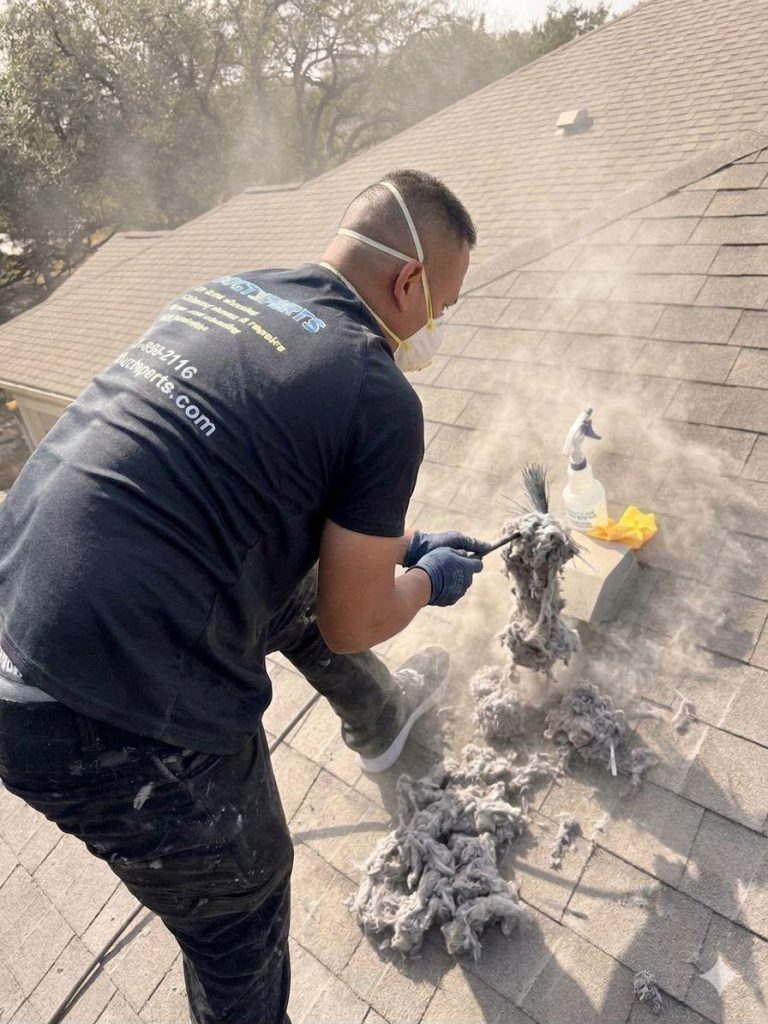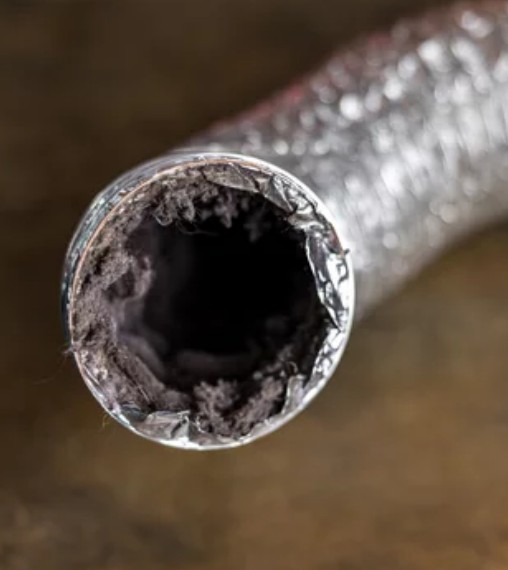
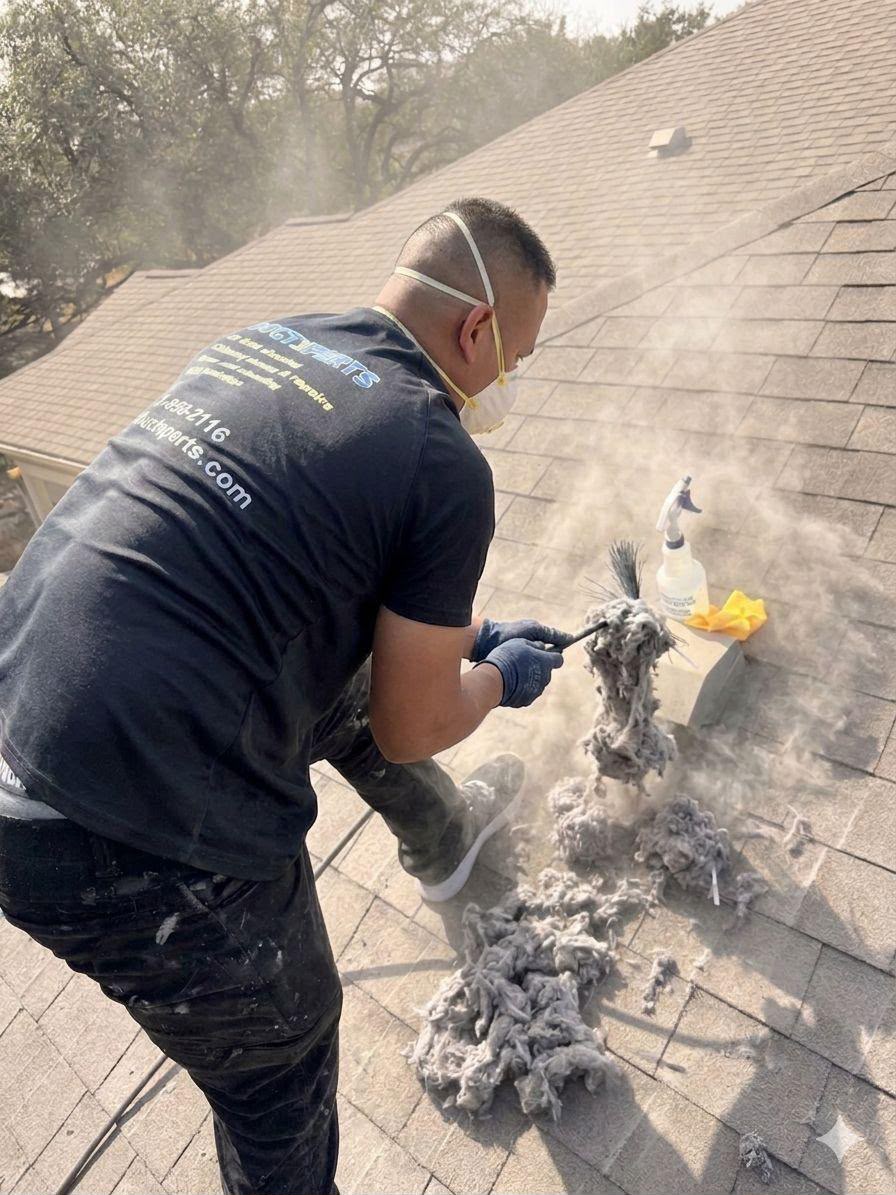
Your lint trap catches maybe 25% of the lint your dryer actually produces. The rest travels down the vent duct and slowly builds up along the walls, bends, and exterior exhaust point — completely out of sight. DuctXpert’s dryer vent lint removal service targets exactly that hidden buildup, clearing the sections of ductwork a trap, or a quick DIY vacuum attempt, simply can’t reach.
This isn’t the same as wiping out your lint trap after every load. It’s a full mechanical clearing of the duct interior, using tools designed to reach lint packed into bends, long runs, and the exterior vent flap.
Why Lint Builds Up Even If You Clean the Trap Every Time
Cleaning your lint trap is good habit, but it only filters what passes through that one screen. Fine lint particles slip past the trap on every cycle and travel further down the duct, where they gradually cling to the interior walls — especially at bends, where airflow slows down. Over months and years, that thin layer thickens into a real obstruction, restricting airflow long before most homeowners notice a problem.
This buildup happens faster in vents with:
- Long duct runs between the dryer and the exterior wall
- Multiple bends or turns (each one is a lint trap in itself)
- Flexible foil or plastic ducting, which has ridges that catch lint more easily than smooth rigid duct
- Heavy laundry use, especially in larger households
Signs Lint Has Built Up Beyond Your Trap
- Drying takes noticeably longer than it used to
- The dryer or laundry room feels hotter than normal during a cycle
- A faint burning smell appears partway through drying
- Lint is visible around the outside vent hood, or the flap doesn’t open properly
- You’ve never had the vent professionally cleared, even if you clean the trap religiously
If any of these sound familiar, the trap isn’t the problem — the buildup further down the line is.
Our Dryer Vent Lint Removal Process
1Duct Path Assessment
We map out your vent’s length, bend count, and material type, since each of these affects how much lint has likely accumulated and where it’s concentrated.
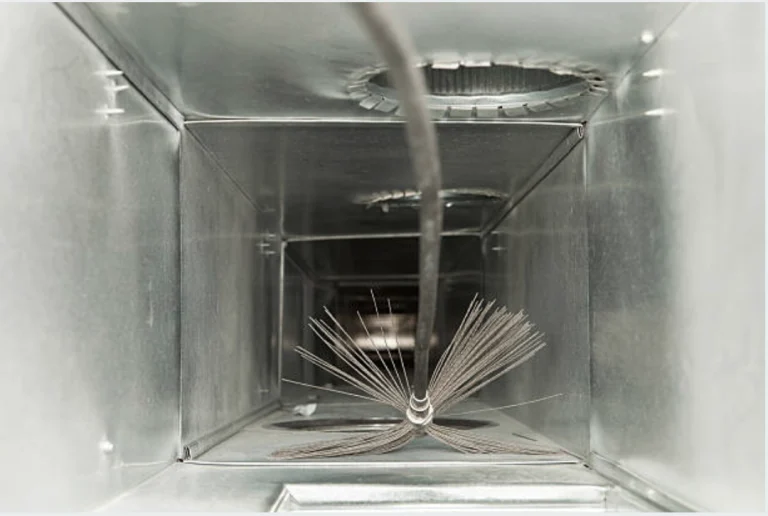
2Mechanical Agitation
A rotary brush is fed through the duct to physically dislodge lint packed into the interior walls and bends — something a vacuum alone can’t loosen.
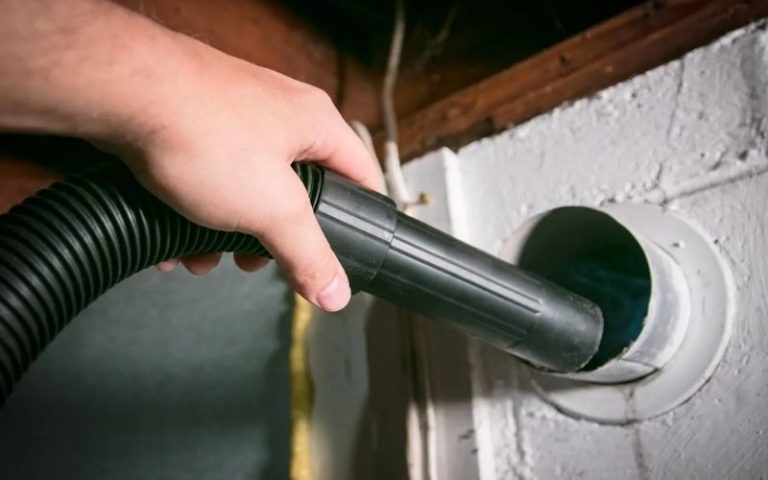
3High-Powered Extraction
Once loosened, lint is pulled out using a high-CFM vacuum connected directly to the duct, capturing debris before it has a chance to resettle.
4Exterior Flap Clearing
We check and clear the exterior vent hood, which often traps the densest buildup and can also collect nesting debris from insects or birds.
5Airflow Confirmation
We run the dryer post-service and check exhaust airflow to confirm the blockage is fully cleared, not just reduced.
What This Service Won’t Fix
Dryer vent lint removal restores airflow through the vent itself, but it’s not a fix for every drying problem. This service won’t repair a dryer with a failing heating element or a broken thermostat. If drying performance doesn’t improve after a full dryer vent lint removal service, the remaining issue is almost always mechanical rather than airflow-related.
That’s different from a clogged dryer vent caused by lint buildup, which is exactly what professional lint removal clears. We’ll tell you directly if your dryer needs a repair instead of another vent cleaning service you don’t need — no upselling, just an honest diagnosis.
Frequently Asked Questions
Isn’t cleaning my lint trap enough?
No. The trap only catches a portion of the lint produced each cycle. The rest travels further into the duct and builds up over time, which is exactly what this service is designed to clear.
How do I know if my vent has hidden lint buildup?
Longer drying times, unusual heat in the laundry room, or a faint burning smell during cycles are the clearest signs. A professional inspection can confirm it either way.
How often should lint removal be done?
Most homes benefit from a professional clearing once a year. Homes with longer or bent vent runs, or heavy dryer use, may need it more frequently.
Is this the same as a full dryer vent cleaning?
It’s closely related — lint removal is the core part of a full dryer vent cleaning service, with added inspection and airflow testing included. If you’re due for the complete service, our dryer vent cleaning page covers everything included.
Book Your Lint Removal Service Today
Don’t let hidden buildup become a fire risk you can’t see. Schedule a dryer vent lint removal appointment with DuctXpert or explore our complete dryer vent cleaning services for full duct-to-exterior coverage.
Source: National Fire Protection Association – Clothes Dryer Fire Safety