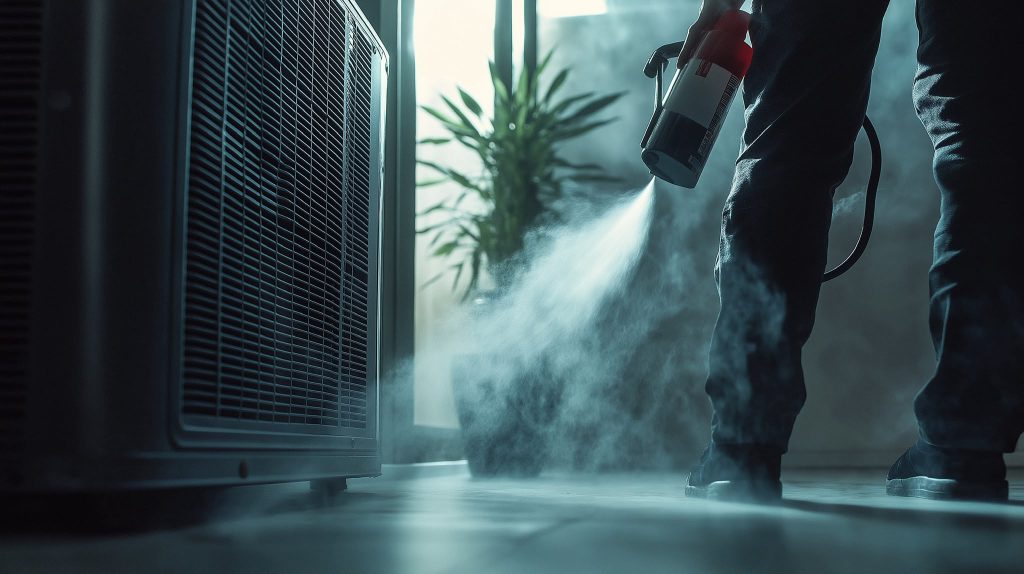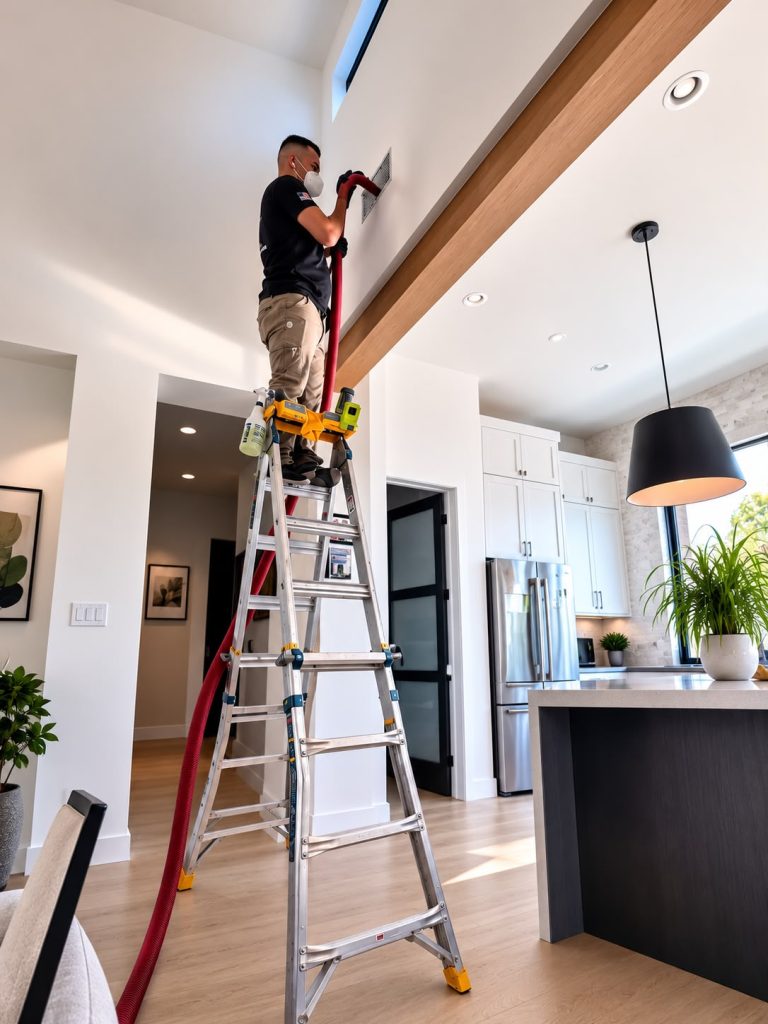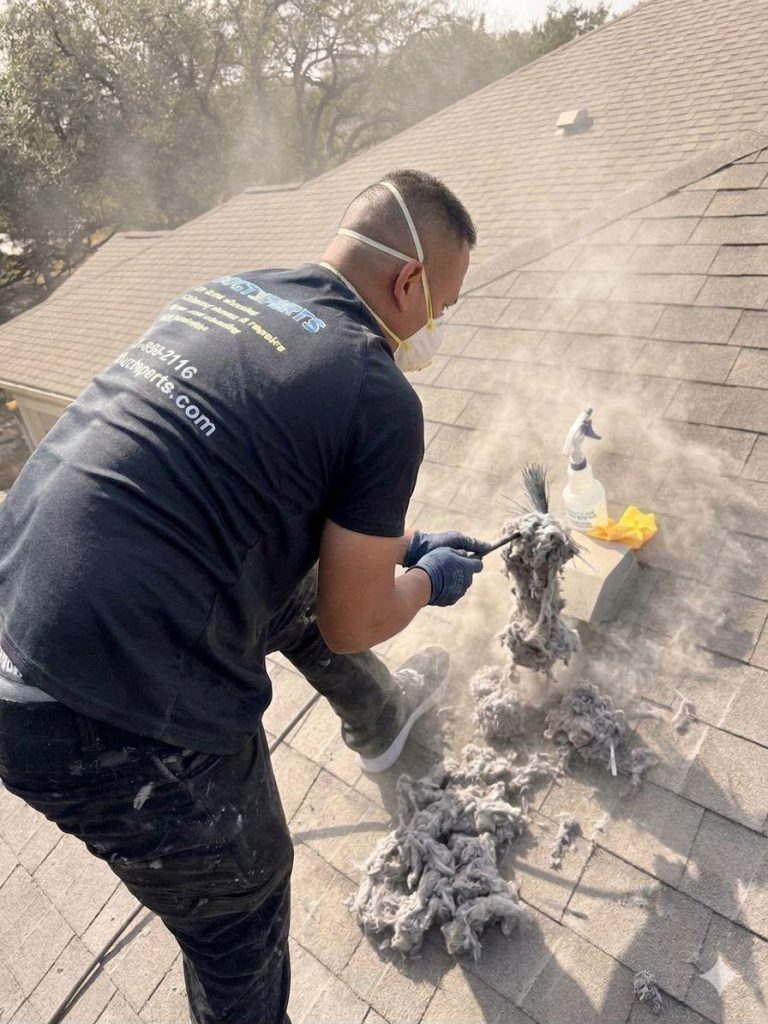
A musty smell every time your HVAC kicks on isn’t just unpleasant — it’s often the first sign of mold growing inside your ductwork, out of sight and circulating through every room the air reaches. DuctXpert’s air duct mold remediation service identifies exactly where mold has taken hold, removes it safely, and addresses the moisture source so it doesn’t simply grow back weeks later.
This isn’t a surface wipe-down or a scented spray masking the smell. Remediation means removing the mold itself, treating the affected material, and correcting the condition that allowed it to grow in the first place.
How Mold Ends Up Inside Air Ducts
Mold needs three things to grow: moisture, organic material to feed on (dust and debris qualify), and limited airflow. Ductwork can quietly provide all three. Condensation from poorly insulated ducts, especially in humid climates, creates the moisture mold needs. Dust buildup supplies the organic material. And sections of ductwork with restricted airflow, often near bends or in rarely-used vents, create the still, damp conditions mold thrives in.
Homes are especially at risk after water damage, in basements or crawl spaces with high humidity, or in systems that have gone years without inspection or cleaning.
Signs You Need Air Duct Mold Remediation
- A persistent musty or earthy odor when your HVAC system runs
- Visible dark spots or discoloration around vent covers
- Worsening allergy symptoms, coughing, or respiratory irritation indoors
- Recent water damage, flooding, or a known humidity problem in the home
- Condensation regularly visible on or near ductwork
- A previous mold issue elsewhere in the home that was never checked against the duct system
Odor alone is often the earliest indicator, appearing well before mold becomes visible at the vent covers.
Our Air Duct Mold Remediation Process
1Visual & Camera Inspection
We inspect accessible duct sections and run a camera through the system to locate visible mold growth, moisture staining, and the specific areas most affected.
2Moisture Source Identification
Removing mold without addressing the moisture behind it guarantees regrowth, so we identify the underlying cause — condensation, a leak, poor insulation, or high ambient humidity — before treatment begins.
3Containment Setup
We seal off the work area to prevent mold spores from spreading into living spaces during the remediation process itself.
4HEPA-Filtered Mold Removal
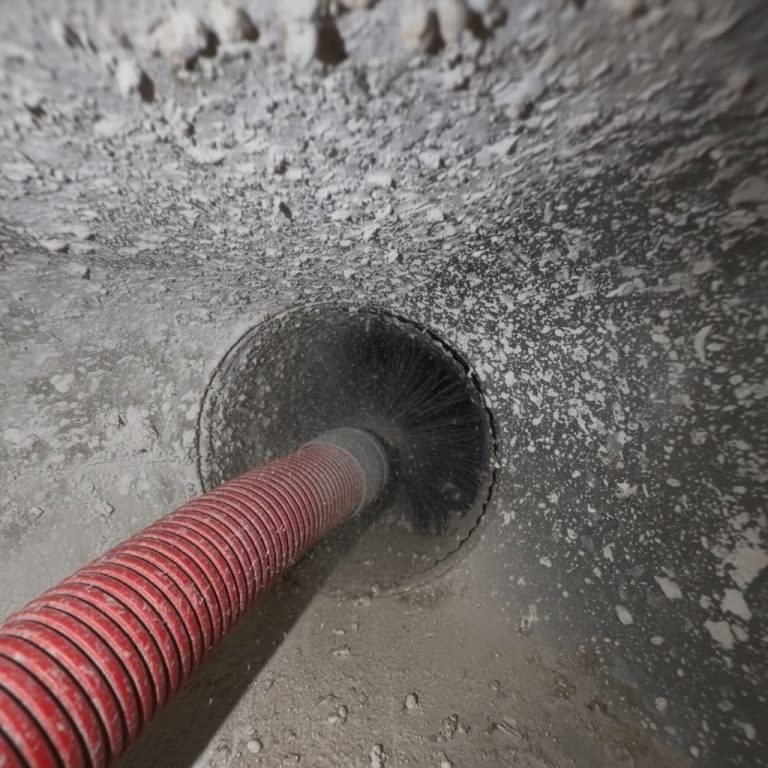
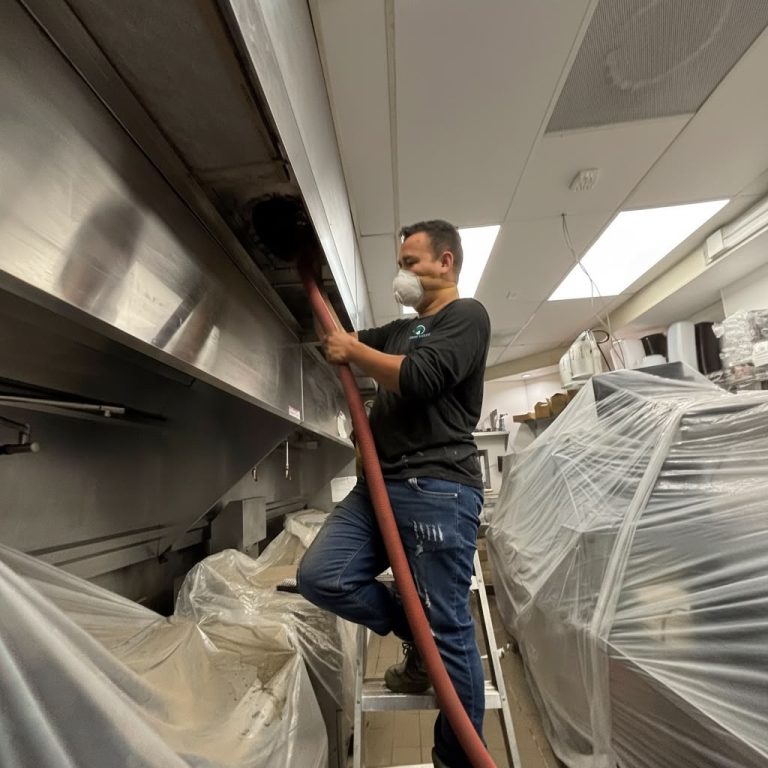
Affected ductwork is cleaned using HEPA-filtered vacuum extraction combined with antimicrobial treatment designed specifically for mold on duct surfaces.
5Antimicrobial Treatment & Sealing
Treated sections receive an EPA-registered antimicrobial application to inhibit regrowth, with any damaged insulation replaced rather than treated over.
6Moisture Correction Recommendations
We provide clear recommendations to fix the root moisture issue — whether that’s improved insulation, a dehumidification solution, or a repair elsewhere in the home — since remediation without this step is only a temporary fix.
What Air Duct Mold Remediation Won’t Fix
This service addresses mold within the duct system itself. It won’t resolve mold growing in wall cavities, carpeting, or other parts of the home unrelated to ductwork, and it isn’t a substitute for structural water damage repair. If our inspection reveals mold beyond the duct system, we’ll tell you honestly and point you toward the right type of specialist rather than attempt work outside our scope.
Frequently Asked Questions
How do I know if the musty smell is mold in my ducts?
If the odor is strongest right when your HVAC system turns on and fades when it’s off, that’s a strong indicator the source is inside the ductwork rather than elsewhere in the home.
Is mold in air ducts dangerous?
Mold circulating through your HVAC system can contribute to allergy symptoms and respiratory irritation, particularly for sensitive individuals, making prompt remediation worthwhile.
Will mold come back after remediation?
Not if the underlying moisture source is corrected. Remediation without fixing the moisture problem behind it significantly increases the chance of regrowth.
How is this different from regular air duct cleaning?
Standard duct cleaning removes dust and debris. Mold remediation is a more involved process that includes containment, antimicrobial treatment, and addressing the moisture source, specifically for active mold growth.
Book Your Air Duct Mold Remediation Today
A musty smell won’t go away on its own, and it often gets worse the longer it’s ignored. Schedule an air duct mold remediation inspection with DuctXpert, or if you’re not sure mold is the issue yet, start with our air duct cleaning services for a full system assessment.
Source: U.S. Environmental Protection Agency – Mold and Health