Finding mold in air ducts is one of the most unsettling discoveries a homeowner can make. It often hides out of sight, spreading quietly through your HVAC system while circulating spores into every room your ducts serve. By the time most people notice a musty smell or unexplained allergy flare-ups, the mold has usually been growing for weeks or months. At DuctXpert, we inspect and clean ductwork every day, and duct mold is one of the top issues we’re called out to resolve.
This guide walks through why mold grows in ducts, how to recognize it, the health risks it carries, and the exact process DuctXpert uses to remove it safely and permanently. If you’d rather skip ahead, you can also browse our air duct cleaning services directly.
Why Mold Grows Inside Air Ducts
Mold needs three things to thrive: moisture, organic material to feed on, and darkness. Unfortunately, a typical duct system offers all three.
- Condensation buildup around the evaporator coil or in poorly insulated ductwork creates the damp environment mold spores love.
- Dust and debris trapped inside the ducts act as a food source once moisture is present.
- Leaky or disconnected duct joints pull in humid outdoor or crawlspace air, adding fuel to the problem.
- Oversized or poorly maintained AC systems run in short cycles, leaving excess humidity in the ducts instead of removing it properly. Regular AC maintenance helps keep humidity and condensation under control before mold has a chance to start.
Once mold takes hold in one section of ductwork, airflow can carry spores throughout the entire home, making early detection critical.
Signs You May Have Mold in Your Air Ducts
You don’t always need to open a duct panel to know something’s wrong. Watch for these common indicators:
- A persistent musty or “basement” odor, especially when the HVAC system turns on.
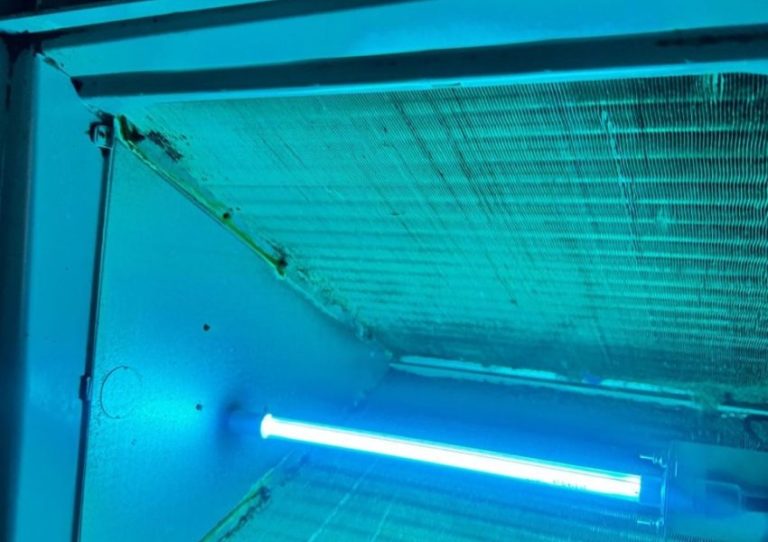
- Visible dark spots or discoloration around vents, registers, or the outside of ductwork.
- Increased allergy or asthma symptoms that ease when you leave the house.
- Unexplained coughing, sneezing, or headaches among household members.
- Excess humidity or condensation near vents and air handlers.
- A recent history of water damage, leaks, or flooding near the duct system.
If two or more of these apply to your home, it’s worth scheduling a professional duct inspection before the problem spreads further.
Health Risks of Mold in Ductwork
Since air ducts distribute conditioned air to every room, mold in air ducts doesn’t stay contained. Every time your HVAC system runs, it can push spores from mold in air ducts into your living space, spreading contamination throughout your home. Exposure has been linked to:
- Respiratory irritation, coughing, and wheezing
- Worsened asthma and allergy symptoms
- Sinus congestion and headaches
- Skin and eye irritation
- Increased risk for those with compromised immune systems, infants, and the elderly
Even people without prior sensitivities can develop symptoms after prolonged exposure, which is why prompt removal matters as much for health as for comfort. For more detail on how mold affects indoor air quality, the U.S. EPA’s mold resource center and the CDC’s mold FAQ page are both trusted references.
Can You Remove Duct Mold Yourself?
Store-bought mold sprays and DIY vacuuming might handle mold on a visible, exposed surface, but they fall short inside ductwork. Ducts are long, narrow, and largely inaccessible, meaning spores deep inside the system are nearly impossible to reach without professional-grade equipment. Attempting a DIY fix can also spread spores further through the home if the system isn’t properly sealed and contained during cleaning — which is why most homeowners turn to a professional mold remediation service instead.
How DuctXpert Removes Mold In Air Ducts
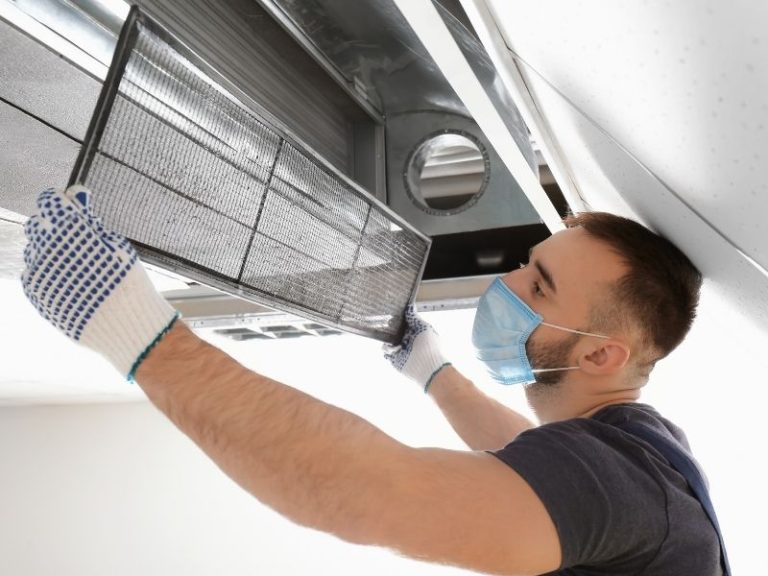
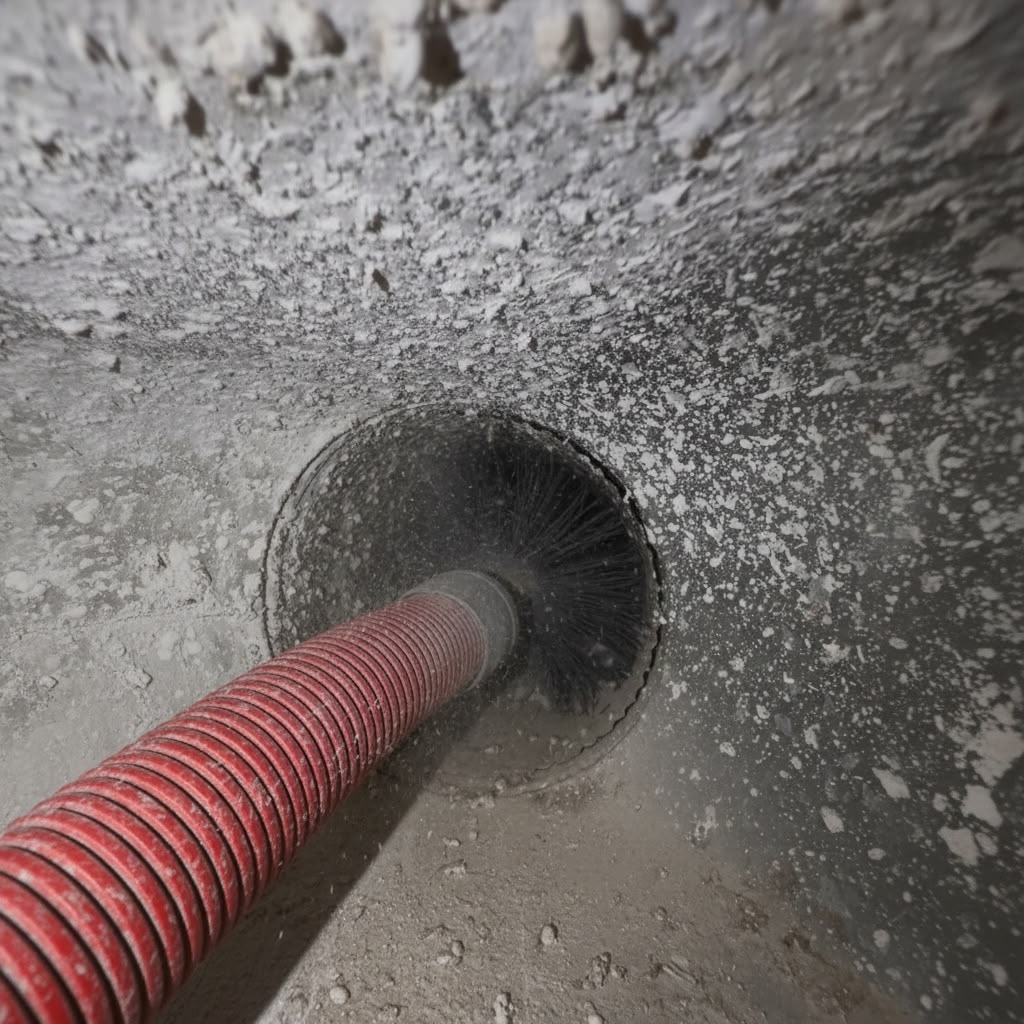
Our technicians follow a structured process designed to eliminate mold in air ducts at the source, not just mask the smell. Whether it’s early-stage growth or years of buildup, removing mold in air ducts requires more than surface cleaning — it takes containment, extraction, and treatment done in the right order to keep spores from spreading further through the home.
- Full System Inspection — We use camera scoping to identify the exact location and extent of mold growth throughout the ductwork.
- Containment Setup — Before any cleaning begins, we seal off registers and work areas to prevent spores from spreading to unaffected rooms.
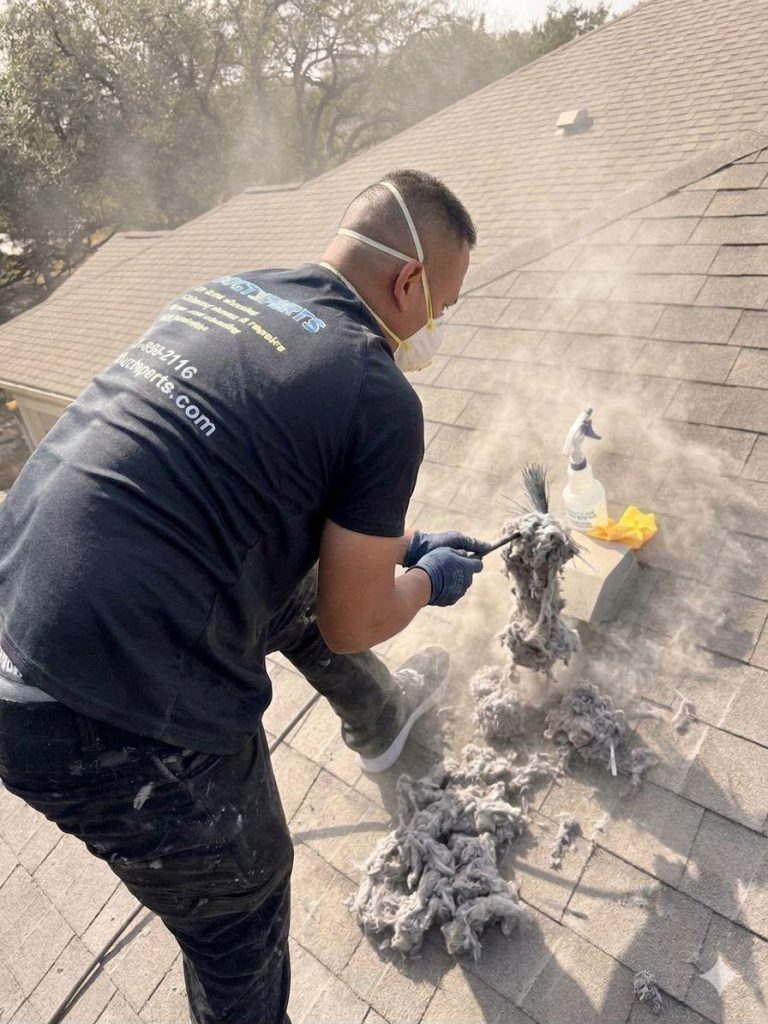
- High-Powered Negative Air Extraction — Industrial vacuum systems pull contaminated air and debris out of the ducts rather than pushing it around.
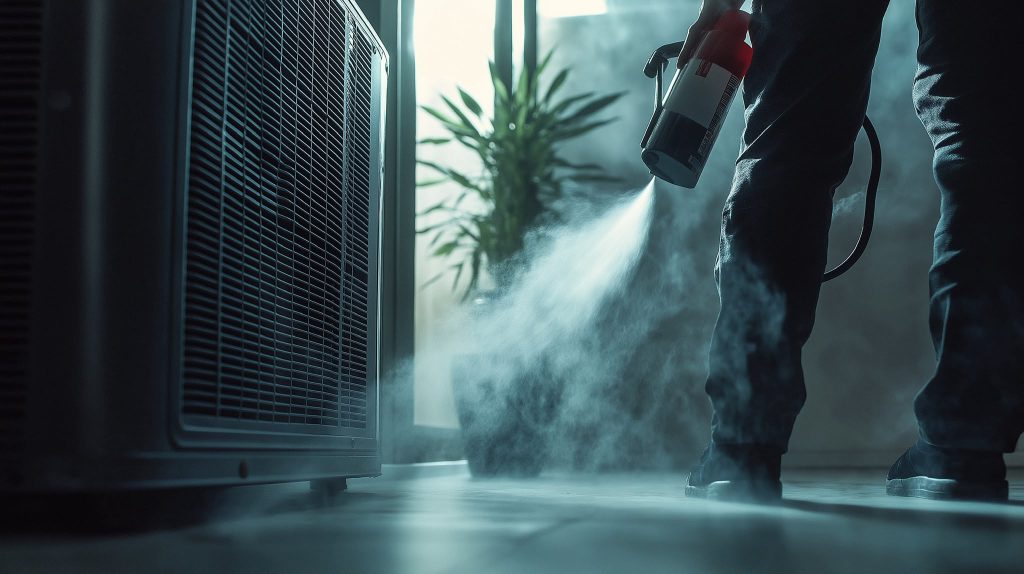
- EPA-Registered Antimicrobial Treatment — After physical debris removal, we apply EPA-registered antimicrobial products designed to eliminate remaining mold spores and inhibit regrowth.
- Moisture Source Correction — Removing mold without fixing the root cause invites it right back, so we identify and help resolve leaks, condensation points, or ventilation issues.
- Final Verification — A post-cleaning inspection confirms the ducts are clear before we close out the job.
Preventing Mold From Coming Back
After a professional cleaning, a few habits go a long way toward keeping ducts mold-free:
- Change HVAC filters every 1–3 months
- Keep indoor humidity between 30–50%
- Schedule annual duct inspections, especially after any water damage
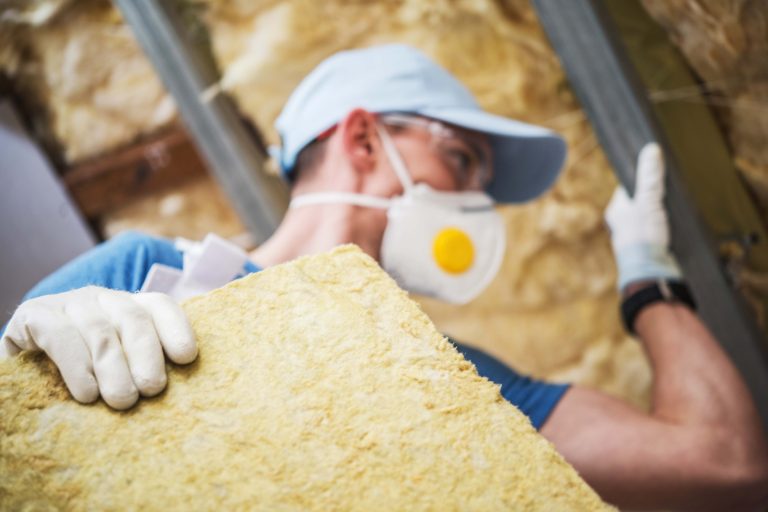
- Ensure proper insulation around ductwork in attics, crawlspaces, and basements
- Address AC condensation drainage issues promptly with routine AC maintenance
When to Call DuctXpert
If you’ve noticed musty odors, visible discoloration near vents, or unexplained respiratory symptoms at home, don’t wait for the problem to worsen. DuctXpert offers thorough duct inspections and mold remediation services designed to restore clean, breathable air to your entire home. Learn more about our team and process.
Ready to find out what’s really inside your ducts?