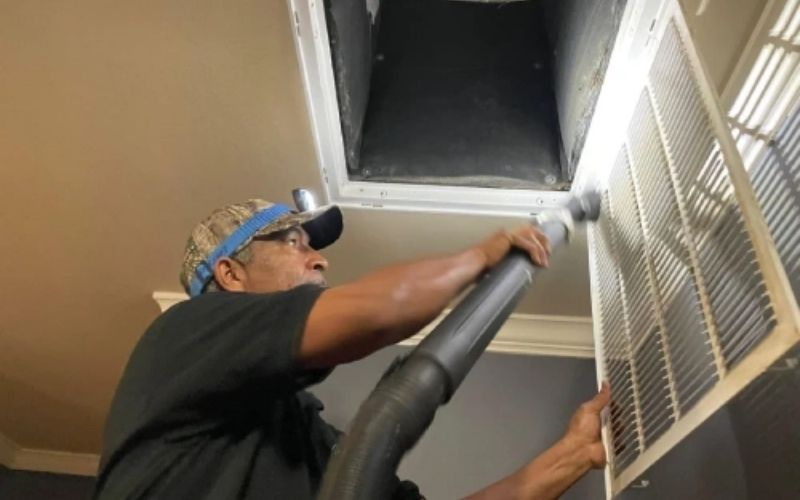
In an average home, a meaningful share of conditioned air never makes it out of a vent — it escapes through gaps, loose joints, and cracked seams in the ductwork long before it reaches a room. DuctXpert’s duct sealing service finds those leak points and seals them properly, so the air you’re paying to heat or cool actually ends up where it’s supposed to.
This isn’t a quick tape-and-hope fix. We test for leaks, seal with materials rated for HVAC use, and verify the improvement before calling the job done.
Why Ductwork Leaks in the First Place
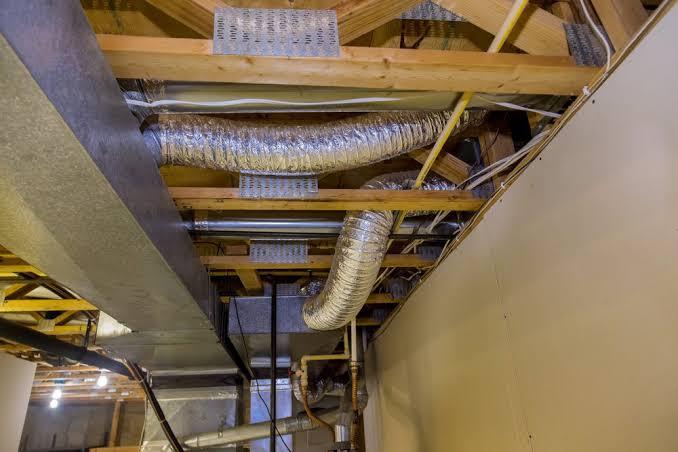
Ducts are built from multiple connected sections, and every joint, seam, and connection point is a potential leak. Over time, temperature cycling causes materials to expand and contract, gradually loosening connections that were tight when installed. Ducts running through unconditioned spaces like attics or crawl spaces are especially prone to this, since they experience the widest temperature swings. Older homes with ductwork that’s never been sealed are often losing a significant portion of conditioned air before it reaches a single vent.
How Long a Professional Duct Sealing Service Lasts
A properly done duct sealing service isn’t a temporary patch — when mastic sealant is applied correctly to clean, prepared surfaces, it typically holds up for the life of the ductwork itself, unlike tape-based fixes that dry out and fail within a few years. That’s part of why a one-time duct sealing service tends to pay for itself over time: you’re not paying to reseal the same leaks every few seasons, and the efficiency gains compound with every heating and cooling cycle. Homeowners who invest in professional sealing once rarely need to revisit it unless the ductwork itself is later modified, damaged, or replaced.
Signs Your Ductwork Needs Sealing
- Some rooms are noticeably harder to heat or cool than others
- Your energy bills feel high relative to your home’s size and usage
- You can feel drafts or temperature changes near duct runs in attics or basements
- Dust seems to accumulate quickly, which can indicate unconditioned air being pulled into the system through leaks
- Your HVAC system runs longer than expected to reach the set temperature
- Visible gaps, disconnected sections, or crumbling tape are noticeable on accessible ductwork
Any one of these can have other causes too, which is why a proper leak assessment matters more than guessing based on symptoms alone.
Our Duct Sealing Process
1Duct Leakage Assessment
We test the system to measure how much air is actually escaping before it reaches your vents, giving you a concrete number rather than a vague estimate.
2Leak Point Mapping
Using visual inspection and pressure testing, we identify exactly where leaks are occurring — joints, seams, damaged sections, or disconnected runs.
3Surface Preparation
Before sealing, we clean and prepare each leak point so the sealant bonds properly rather than sitting on top of dust or debris.
4Mastic Sealant Application
We apply mastic sealant, a duct-rated compound built to last far longer than standard tape, to every identified leak point along the system.
5Post-Seal Verification
We re-run the leakage test after sealing to confirm measurable improvement, so you can see the actual before-and-after difference rather than take our word for it.
What Duct Sealing Won’t Fix
Sealing addresses air loss from the duct system itself, but it won’t resolve an undersized HVAC unit, poor home insulation, or an aging system that’s simply reaching the end of its lifespan. If our assessment shows your ductwork is tight but comfort issues persist, the cause likely lies elsewhere in the home, and we’ll say so directly rather than seal ducts that don’t need it.
Frequently Asked Questions
How much energy do leaky ducts actually waste?
The exact amount varies by home, but poorly sealed ductwork running through unconditioned spaces can lose a meaningful share of conditioned air before it reaches a vent. A leakage assessment gives you a specific figure for your system.
Is duct tape a good substitute for professional sealing?
No. Standard duct tape tends to dry out and fail over time, especially in temperature-variable spaces like attics. Mastic sealant is specifically formulated to remain flexible and durable for the long term.
Will duct sealing lower my energy bills?
Sealing leaks typically improves system efficiency, which can reduce energy costs, though the exact savings depend on how much leakage existed beforehand and other factors like insulation.
How do I know if my ducts need sealing versus cleaning?
Sealing addresses air loss and uneven comfort between rooms, while cleaning addresses dust, allergens, and debris inside the ducts. Many homes benefit from both, but they solve different problems.
Book Your Duct Sealing Service Today
Stop losing conditioned air before it ever reaches a room. Schedule a duct sealing service assessment with DuctXpert, or if dust and air quality are your main concern, take a look at our air duct cleaning services instead.