If you’ve ever wondered whether UV light for air ducts actually works or if it’s just a marketing gimmick, you’re not alone. UV air purification has become one of the most requested HVAC upgrades over the past few years, especially among homeowners dealing with mold, allergies, or musty duct odors that won’t go away no matter how often the filters get changed. At DuctXpert, we install and service UV duct systems regularly, and this guide breaks down exactly how they work, what they can and can’t do, and whether one makes sense for your home.
What Is UV Light for Air Ducts?
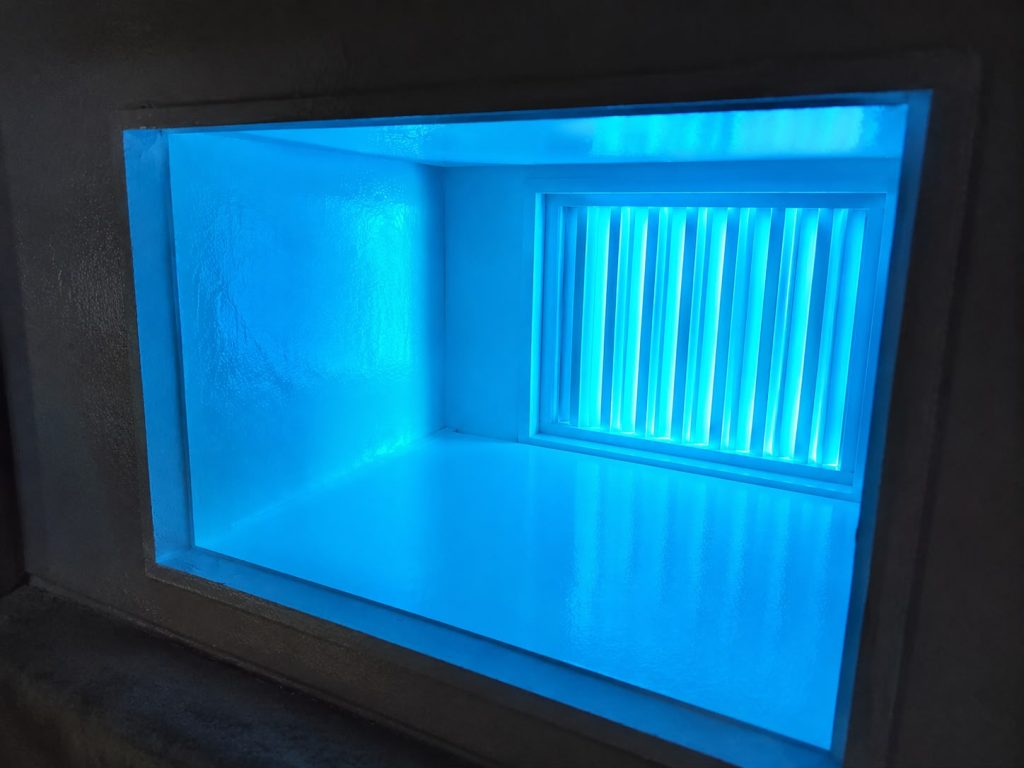
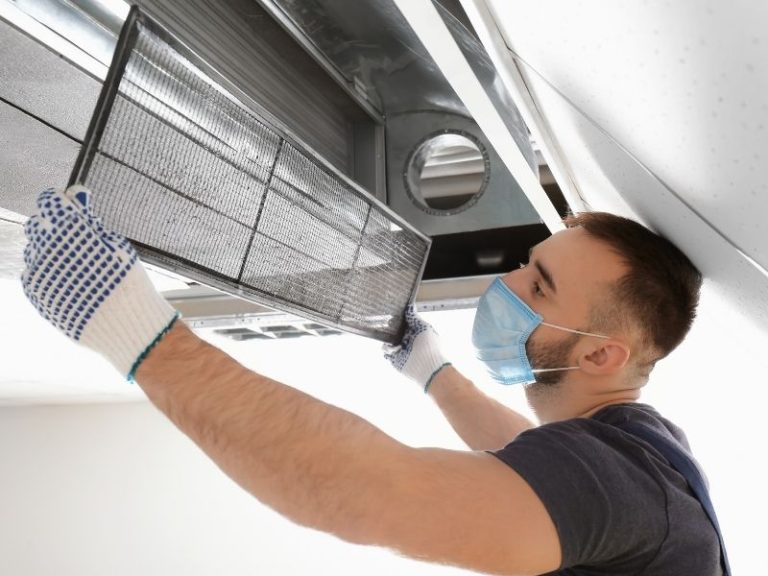
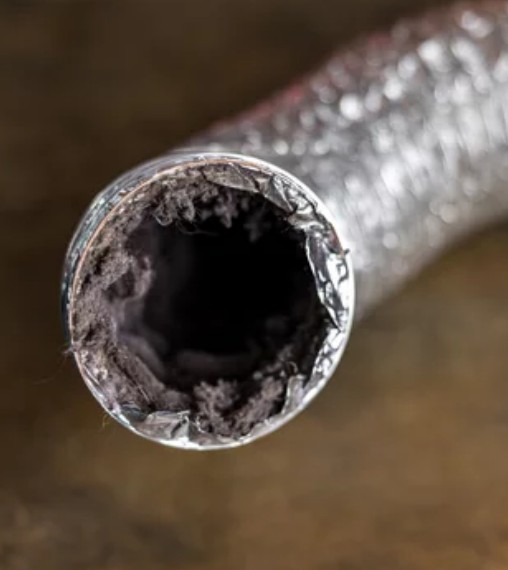
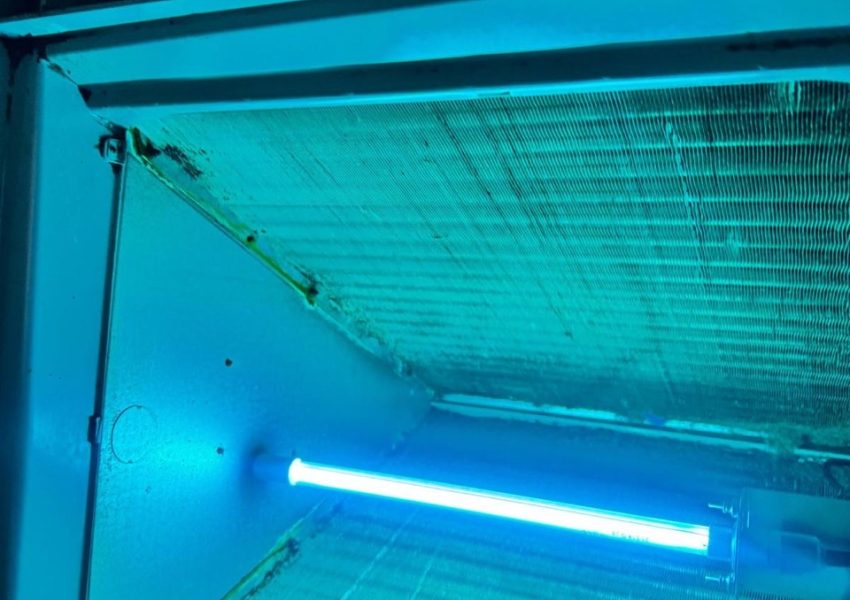
UV light for air ducts refers to a small ultraviolet lamp installed directly inside the ductwork or near the HVAC coil. As air passes through the system, the UV-C wavelength disrupts the DNA of mold spores, bacteria, and viruses, preventing them from reproducing. Unlike air fresheners or filters, UV lights don’t trap or mask contaminants — they actively neutralize them at the source, right where airflow moves through the system. If your ducts already show signs of buildup, it’s worth pairing this with a professional duct cleaning first.
How UV Duct Lights Work
A typical installation uses one of two setups:
- Coil sterilization lights, mounted near the evaporator coil to prevent mold and bacterial growth on the coil’s damp surface.
- In-duct air sterilization lights, positioned in the main duct line to treat air as it circulates through the home.
Both use UV-C wavelengths, the same technology hospitals and water treatment facilities rely on for sterilization. According to the EPA’s guidance on air cleaning devices, UV-C systems can be effective at inactivating certain airborne microorganisms when properly installed and maintained. The bulbs typically run continuously alongside the HVAC system and are rated to last one to two years before replacement.
Benefits of Installing UV Light in Your Ductwork
Homeowners choose UV duct systems for several reasons:
- Reduced mold growth on the AC coil and duct walls, which is especially helpful in humid climates.
- Lower bacteria and virus levels circulating through the home’s air supply.
- Fewer musty odors caused by microbial buildup inside the ductwork.
- Improved HVAC efficiency, since a clean coil transfers heat more effectively than one coated in biofilm.
- Support for allergy and asthma sufferers, since fewer airborne irritants pass through the system.
What UV Light Can’t Do
It’s worth setting realistic expectations. UV light for air ducts is a supplement to good HVAC maintenance, not a replacement for it. A few limitations to keep in mind:
- It doesn’t remove dust, pet hair, or large particulates — a quality filter is still needed for that.
- It won’t fix an existing mold infestation on its own; heavy contamination still requires physical cleaning first.
- Bulbs lose effectiveness over time and need scheduled replacement to keep working properly.
- Improper placement can reduce effectiveness, which is why professional installation matters.
Is UV Light Worth It for Your Home?
UV duct systems tend to make the most sense for households that deal with recurring mold issues, live in humid regions, have family members with asthma or mold sensitivities, or have already had a mold problem in their ductwork once before. If your home has none of these factors, a strong filter and regular duct maintenance may be sufficient on their own. The CDC’s guidance on mold and indoor air quality is a useful reference if you’re weighing the decision.
DuctXpert’s UV Light Installation Process
Our technicians evaluate your existing HVAC system before recommending UV installation, since not every setup is a good fit. The process typically includes:
- System Assessment — Checking coil location, duct accessibility, and existing airflow to determine the best UV placement.
- Professional Installation — Mounting the UV lamp safely with proper wiring, away from plastic components that UV exposure can degrade over time.
- Safety Verification — Ensuring the unit is shielded correctly so UV light stays contained within the ductwork rather than escaping into living spaces.
- Performance Check — Confirming the system runs in sync with the HVAC unit and doesn’t interfere with airflow.
- Maintenance Scheduling — Setting a reminder for bulb replacement, typically every 12–24 months depending on usage.
UV Light vs. Duct Cleaning: Which Do You Need?
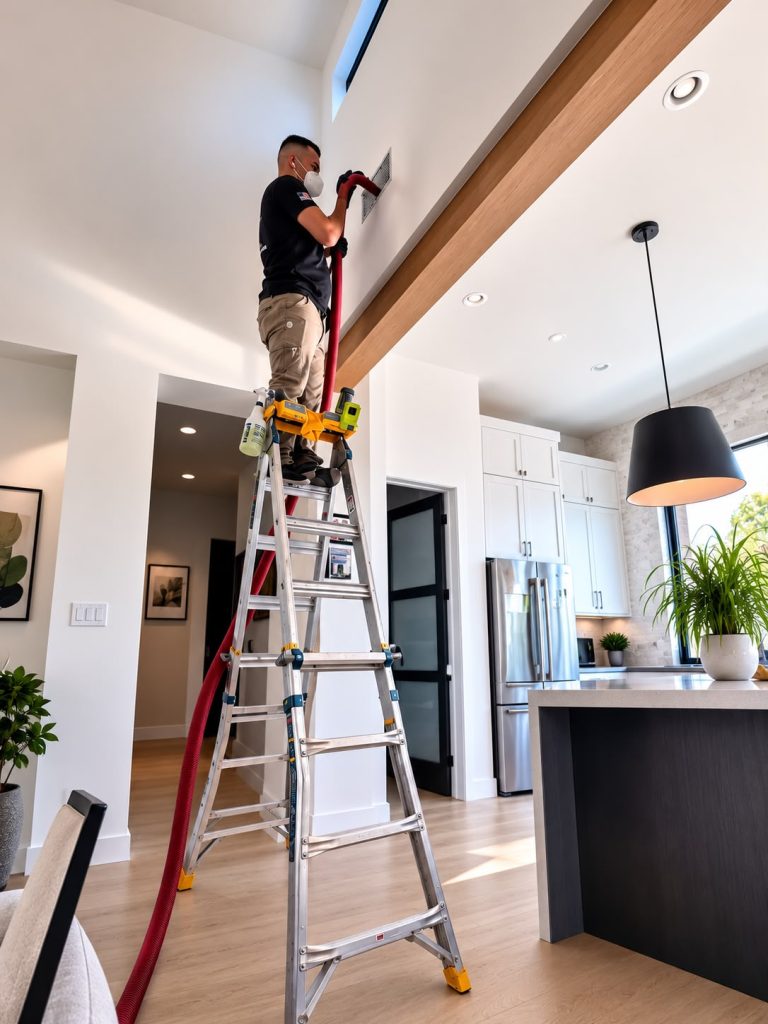
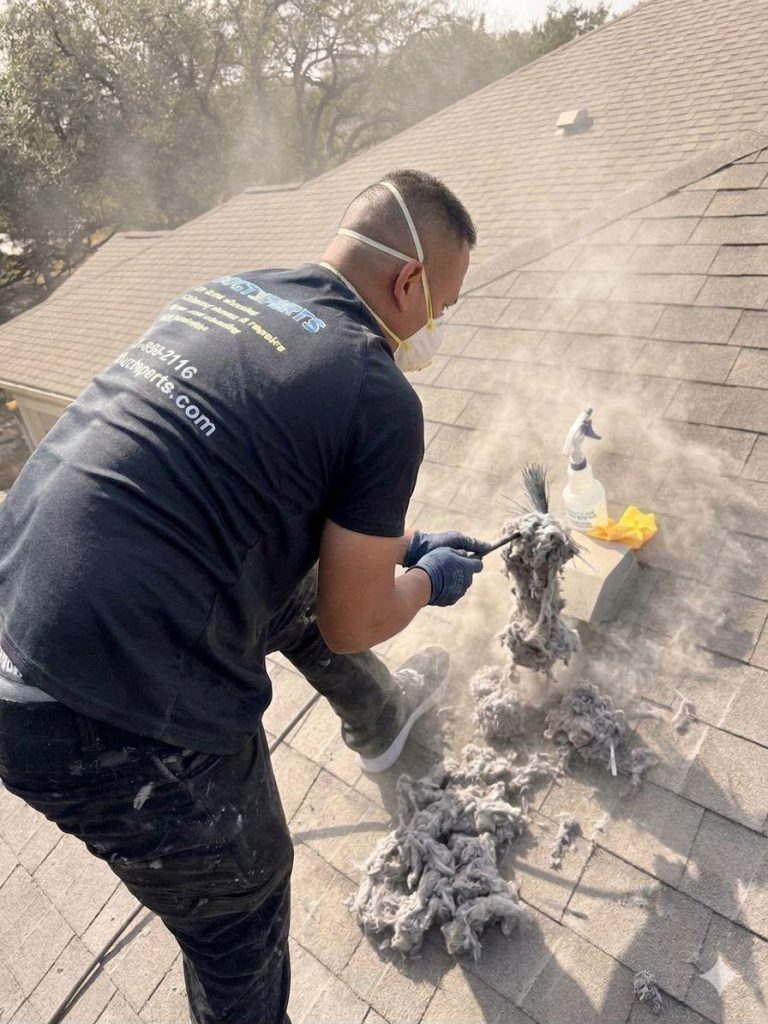
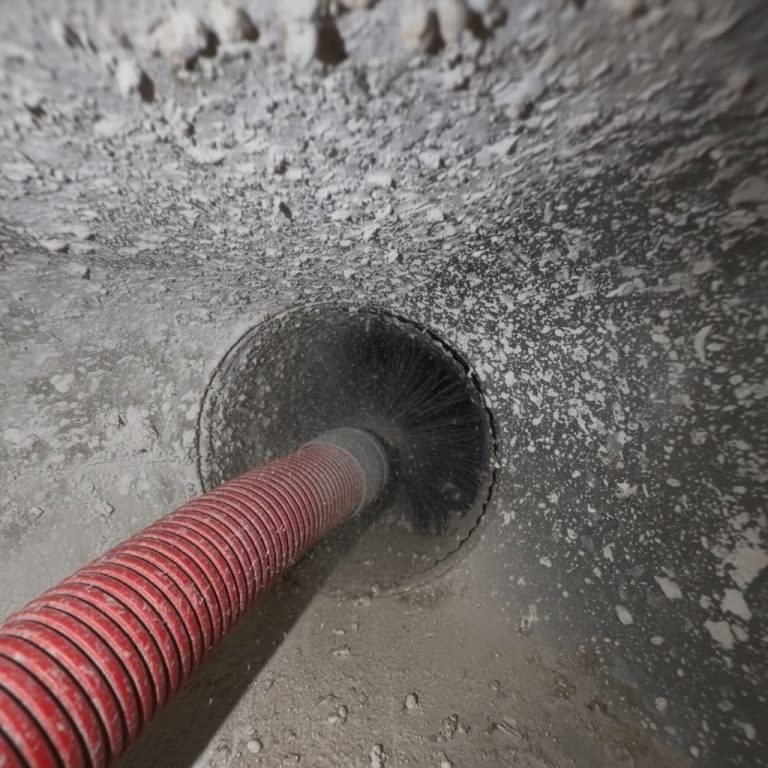
These two services solve different problems and often work best together. Duct cleaning physically removes existing dust, debris, and mold buildup that has already accumulated. UV light then helps prevent new microbial growth from forming afterward. If your ducts haven’t been cleaned recently, installing UV light first without addressing existing buildup means the lamp is working against contamination that’s already there instead of preventing new growth.
Get a Professional Recommendation
Not sure whether UV light is the right fit for your home, or whether your ducts need cleaning first? DuctXpert can assess your system with a full duct inspection and walk you through the options that actually make sense for your air quality goals and budget. You can also learn more about our team and process.