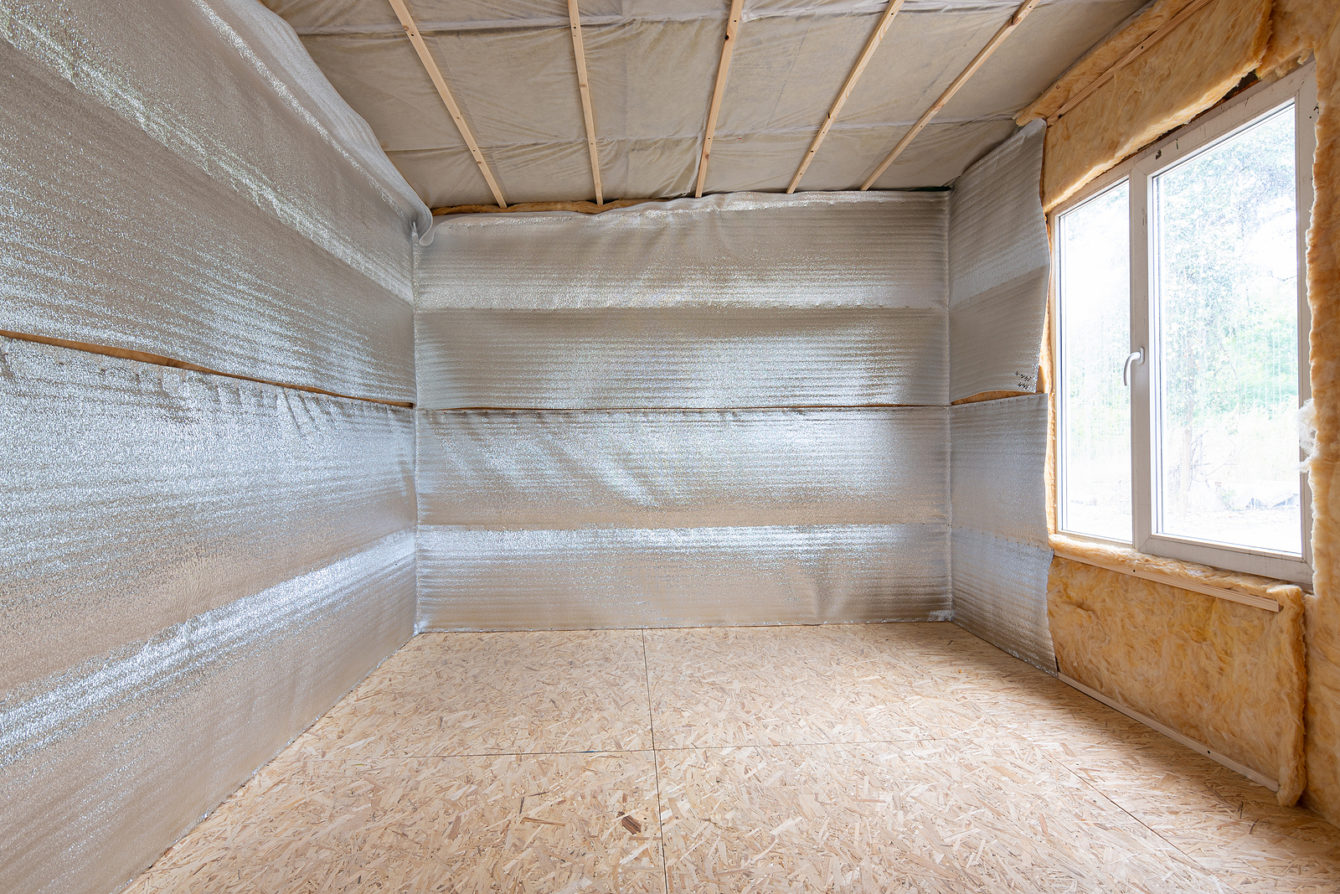
If your Austin home was built before 2010, there’s a good chance your attic insulation is doing less than half the job it should. And unlike most home upgrades, this one comes with real money on the table — Austin Energy and the federal government will both help pay for it.
If you’re researching attic insulation Austin, TX, here’s what you need to know about R-values, costs, rebates, and how to stack them for maximum savings on your next attic insulation Austin TX project.
Why Attic Insulation Matters More in Austin Than Almost Anywhere Else
Austin sits in DOE Climate Zone 2, which calls for a minimum R-38 insulation rating in the attic — with R-49 recommended for homes that want maximum efficiency. That distinction matters here specifically because Austin logs more than 100 days a year above 90°F, meaning your attic insulation is fighting heat gain almost daily for a third of the year.
The problem: most Austin homes built before 2010 were insulated to R-11 or R-19 — less than half of today’s recommended level. That gap shows up directly on your electric bill every summer, as your AC works overtime to compensate for heat leaking through an under-insulated ceiling.
How to Stack Austin Energy Rebates with Federal Tax Credits
This is where attic insulation becomes a genuinely smart financial move, not just a comfort upgrade:
- Austin Energy Power Saver rebate — pays based on square footage insulated and R-value improvement, with no income requirements for standard residential rebates
- Federal 25C tax credit — 30% back on insulation costs, up to $1,200 annually, available to all income levels
- These programs stack — the utility rebate and federal credit are not mutually exclusive, though the IRS requires subtracting any rebate from your cost basis before calculating the federal credit
Example: On a $3,500 attic insulation Austin TX project, a $400 Austin Energy rebate plus a $930 federal tax credit (30% of the adjusted $3,100 basis) brings your total savings to roughly $1,330 — turning a $3,500 project into an effective $2,170 out-of-pocket cost.
Signs Your Attic Insulation Needs an Upgrade
- Your energy bills climb noticeably every summer despite a well-maintained AC system
- Some rooms run hotter or colder than others, especially upstairs
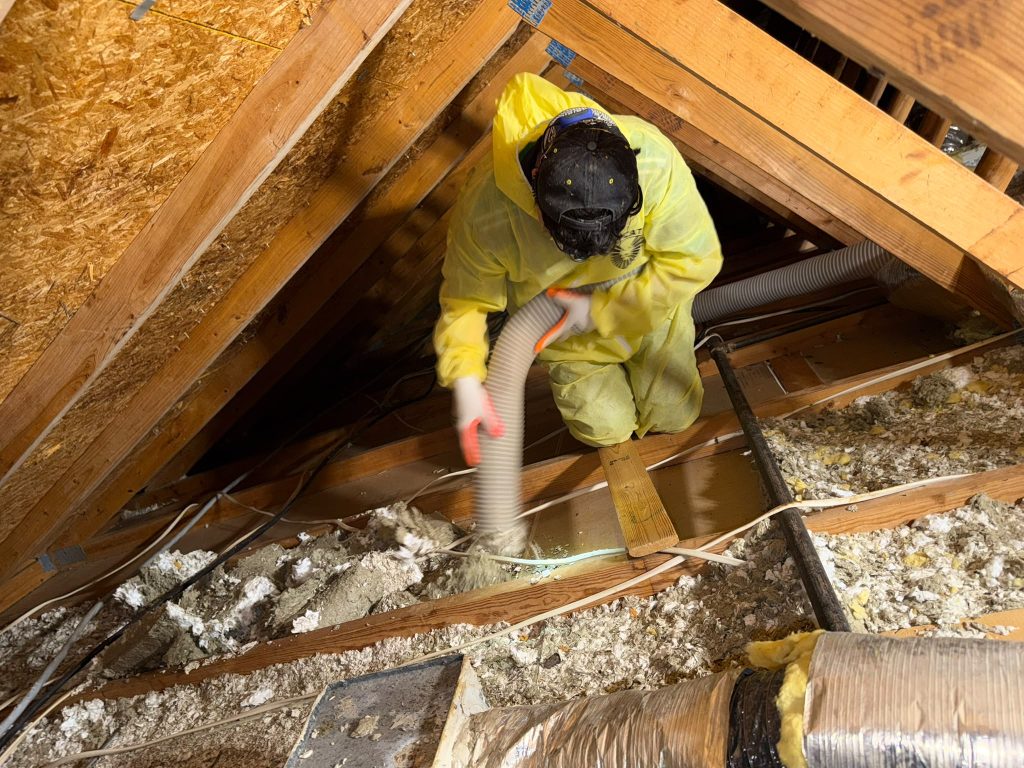
- Your attic insulation looks thin, compressed, or patchy when viewed from the attic hatch
- Your home was built before 2010 and has never had insulation upgraded
- You’ve noticed ice-dam-style moisture issues in winter (less common in Austin, but possible with older insulation)
How Much Can Austin Homeowners Actually Save with Attic Insulation Rebates?
For homeowners comparing attic insulation Austin TX quotes, the rebate math is often the deciding factor between putting the project off another year and booking it now. Because Austin Energy calculates its attic insulation rebate based on square footage and R-value improvement rather than a flat fee, larger attics with bigger R-value jumps — say, going from R-11 to R-49 instead of just R-38 — tend to qualify for a larger rebate check, not a smaller one.
Pair that with the federal 25C tax credit, and a mid-sized attic insulation project in Austin that might otherwise run $2,500–$3,500 can often land closer to $1,500–$2,200 out of pocket once both incentives are applied. It’s one of the rare home upgrades where waiting doesn’t just delay comfort — it delays money you’re currently leaving on the table.
Choosing the Right R-Value for Your Austin Attic
Not every attic insulation Austin TX project should stop at the code minimum. While R-38 satisfies DOE Climate Zone 2 requirements, many local contractors recommend pushing to R-49 given how many consecutive days Austin spends above 90°F each summer — the extra insulation keeps paying dividends long after the initial attic insulation cost is recovered. Homes with ductwork running through the attic (common throughout Central Texas) benefit even more from a higher R-value, since better insulation reduces the heat gain your ducts absorb before conditioned air ever reaches a vent.
A contractor performing a proper attic insulation Austin assessment should measure your current depth and material, not just eyeball it, before recommending whether R-38 or R-49 is the right target for your specific home.
What to Ask Before Hiring an Attic Insulation Contractor
- Are you a participating contractor for Austin Energy rebates?
- What’s my current R-value, and what R-value will this project bring me to?
- Do you include air sealing along with insulation (gaps cost you as much as thin insulation does)?
- Is pricing based on an in-person attic inspection, not a phone estimate?
- Will you help me complete the Austin Energy rebate application?
The Bottom Line
Attic insulation is one of the few home upgrades where the math works cleanly in your favor: lower energy bills every month, a rebate check from Austin Energy, and a federal tax credit on top of both. For homes still running on original 1980s–2000s insulation, upgrading to current R-38–R-49 standards is one of the most cost-effective improvements available in the Austin market today.
DuctXperts Austin offers attic insulation installation and can walk you through the Austin Energy rebate process from quote to final inspection. Call (512) 656-2116 for a free attic assessment.
Frequently Asked Questions
How do I know my attic’s current R-value?
A professional inspection measures your existing insulation depth and material to calculate current R-value, then recommends how much needs to be added to reach code-minimum R-38 or the recommended R-49.
Can I get an Austin Energy rebate for insulation?
Yes, if you use a participating contractor and meet program requirements. Rebates are based on square footage and R-value improvement and don’t require income qualification for standard residential rebates.
Does adding insulation actually lower my electric bill?
The U.S. Department of Energy estimates proper attic insulation can cut heating and cooling costs by 10–20%. For a home spending $250/month on energy, that’s roughly $300–$600 in annual savings.
How long does attic insulation installation take?
Most residential jobs are completed in a single day, though larger attics or spray foam installations may take longer.